Not so with you |
|
Have you read a good book on management lately? They all say the General George S. Patton, Juniors of the Have you read Luke-Acts lately? They say there's no room for four-star generals in the kingdom of heaven either, only servants. The despot role model was readily available in Jesus' day. Examples abounded. The Romans had Tiberius, who used his power of capital punishment so routinely that Suetonius records this contemporary satire (Life of Tiberius, 59):
As he was thirsty then, But warms him up a tastier cup: The blood of murdered men. The Jews also had these kinds of leaders; look at Annas and Caiaphas. But Jesus says, "Not so with you," and proceeds to paint a radically different portrait of leadership, based on servanthood, with the greatest being "servant of all." Jesus then offers himself as the premier example of this kind of leadership: "I am among you as One who serves" (Luke 22:27). The apostles got the message. Time and again they chose participatory leadership when critical decisions had to be made (see Acts 6:2-6; 8:4; 15:6, 22). Result? As new leadership developed, the church flourished (see Acts 6:7; 8:4; 9:31; 15:31). Whatever is your sphere of leadership--elder, deacon, preacher, teacher, husband, wife, older child--demonstrate the beauty and utility of Christ's servant-leader model. It belongs to Calvary Road just as much as on Main Street. |
| —Steve Singleton DeeperStudy.com |
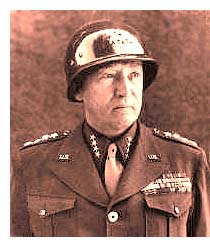 corporate world are dinosaurs not about to be cloned anytime soon.